Guide · air source heat pumps
Is your home ready for a heat pump?
Stuart installs air source heat pumps and services them afterwards — including units somebody else fitted. This page is the set of questions he works through before quoting, written out in full, because a heat pump that was never suited to the house is an expensive way to find out.
The suitability checklist
Six questions, in the order Stuart asks them.
Work down this list before you take a quote from anyone. If an installer has not asked you about the first four, the number at the bottom of their quote is a guess.
01
Where the unit will actually stand
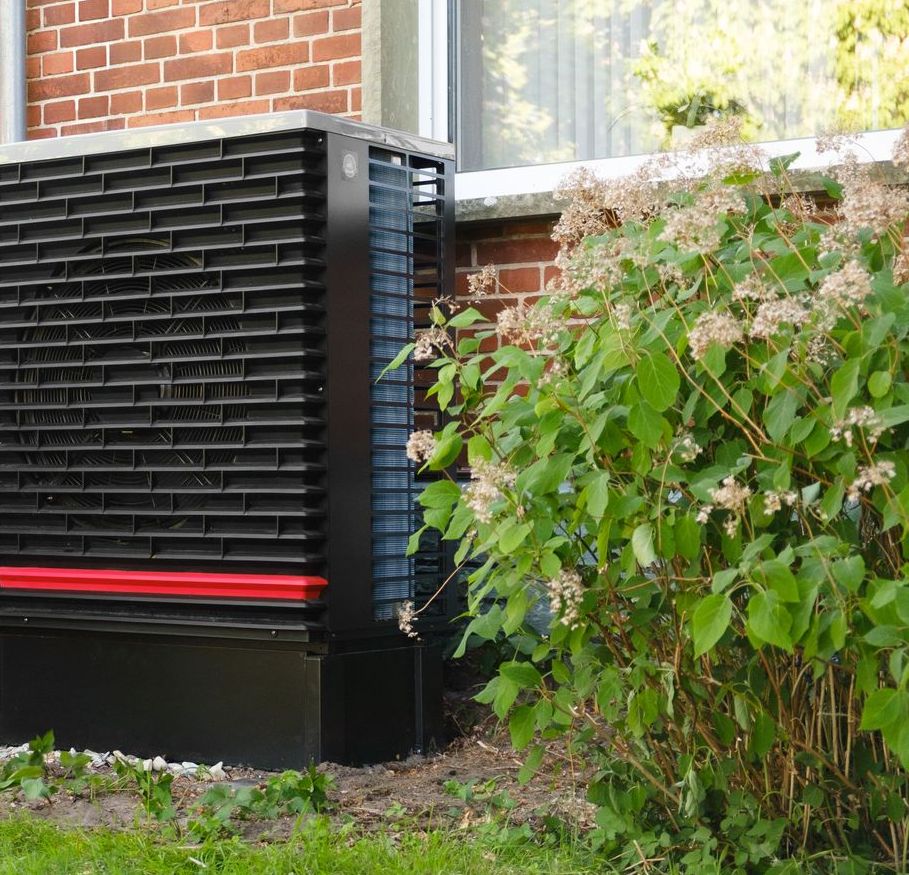
Outside, on a level base, with clear air in and clear air out, far enough from a bedroom window and from the neighbours to be uncontroversial, and somewhere the condensate can drain without icing a path in January. Most houses have a sensible spot. A few have one spot that looks sensible and is not.
02
Whether your radiators will do the job at 45°C
This is the question that decides whether a heat pump is cheap or expensive to run. A gas boiler pushes water round at 65–75°C; a heat pump wants to run nearer 45°C, because the cooler it runs the more heat you get per unit of electricity. The same radiator gives out far less heat at 45°C than at 70°C, so some of them have to grow, and a few rooms may want underfloor instead. Room-by-room, not a rule of thumb.
03
What happens to your hot water
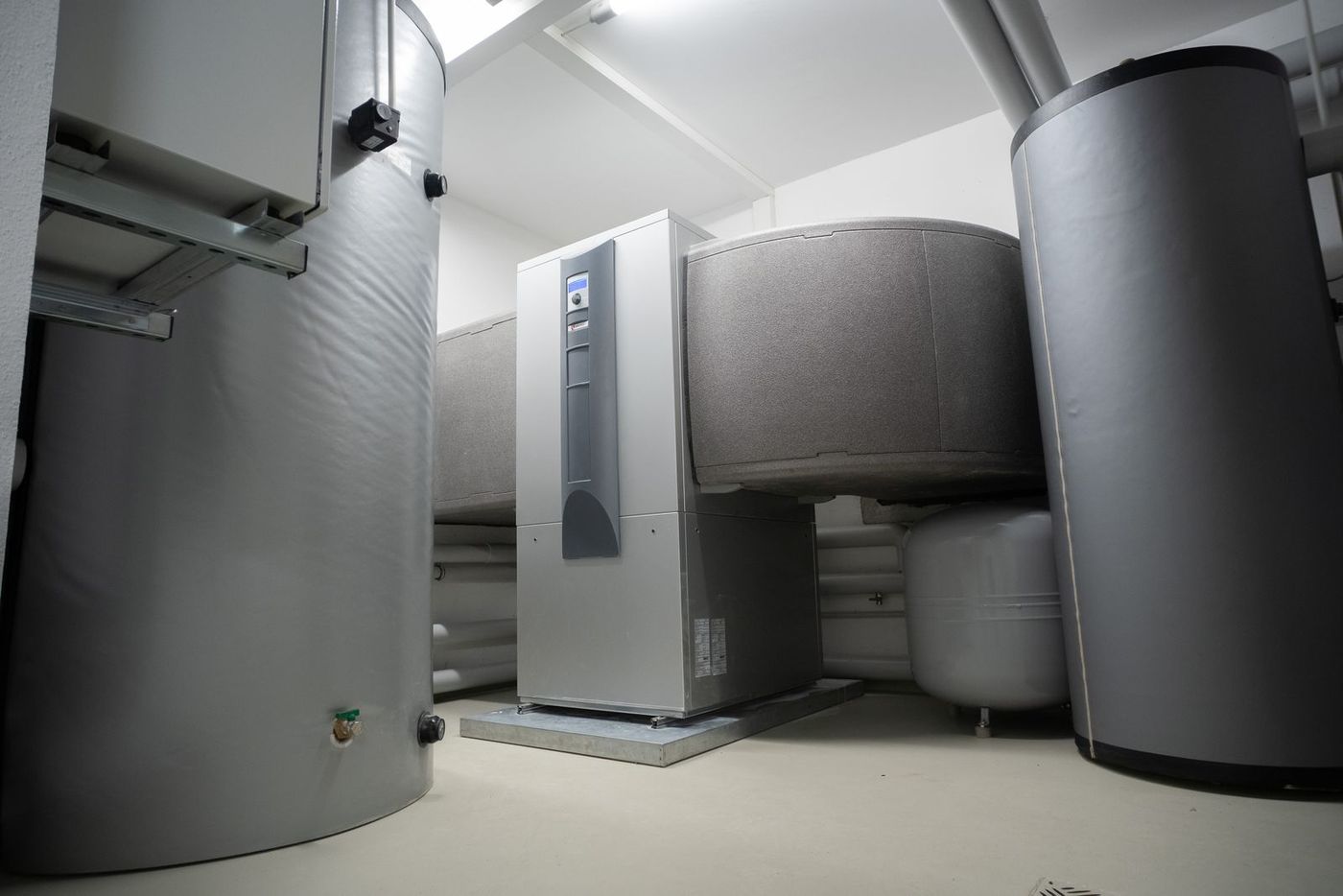
A heat pump cannot behave like a combi. Hot water is made in advance and stored, which means a cylinder — sized for the household, sited where the pipe runs are short, and with enough coil area for a heat pump rather than a boiler. If your airing cupboard disappeared in 2009, that space has to come from somewhere, and it is better to discover it now than on installation week.
04
How much heat the house is losing
Loft insulation, draughts, the gaps round old floorboards, single glazing on the north side. Fabric work is unglamorous and it is the cheapest kilowatt you will ever buy. A heat pump sized for a leaky house is a bigger, more expensive heat pump running harder for the rest of its life.
05
Whether the electrics can take it
Supply capacity, the consumer unit, and where the dedicated circuit will run. Usually straightforward; occasionally the thing that changes the programme, which is why it gets asked early rather than on the day.
06
Who sets the controls, and how they get left
A heat pump wants weather compensation: flow temperature rising gently as it gets colder outside, and the system left running steadily rather than blasted on and off twice a day like a gas boiler. Badly set controls are the single most common reason a perfectly good heat pump produces an alarming electricity bill. Stuart sets the curve with you and explains why it is not a switch.
Sometimes the honest answer is “not yet”.
A heat pump in a well-sorted house is quiet, cheap to run and entirely undramatic. A heat pump bolted onto a draughty house with 1980s radiators and a combi is a complaint waiting to happen, and no amount of clever commissioning rescues it. If that is where your house is today, the useful conversation is about what to do first — and it usually costs a great deal less than the heat pump would have.
Stuart’s own site puts it as energy-saving advice rather than a sales pitch, and one of his customers put it better than any brochure: “Stuart guided me through my heat pump installation with full confidence. I’m delighted with the outcome which will help us save money for years to come.”
Installation
The unit is the easy part.
Stuart offers full installations of air source heat pumps, and the upgrades to your home needed to incorporate the new system — that second half is the whole job. Emitters resized where the room-by-room figures say so. A cylinder with the coil area a heat pump needs. Pipework sized for the flow rates rather than for what fitted through the old hole. Controls commissioned and explained, not left on the factory defaults.
One engineer does all of it, which matters more on a heat pump than on almost any other job: the person who sized the radiators is the person who sets the flow temperature, so nothing gets lost between two trades.
Annual servicing
Nobody told most heat pump owners it needs a service. It does.
Stuart carries out annual servicing and diagnostics or repairs for air source heat pumps — his own words, and a genuinely underserved job. A heat pump that has drifted out of commissioning does not break down; it just quietly costs you more every day. Here is what gets looked at.
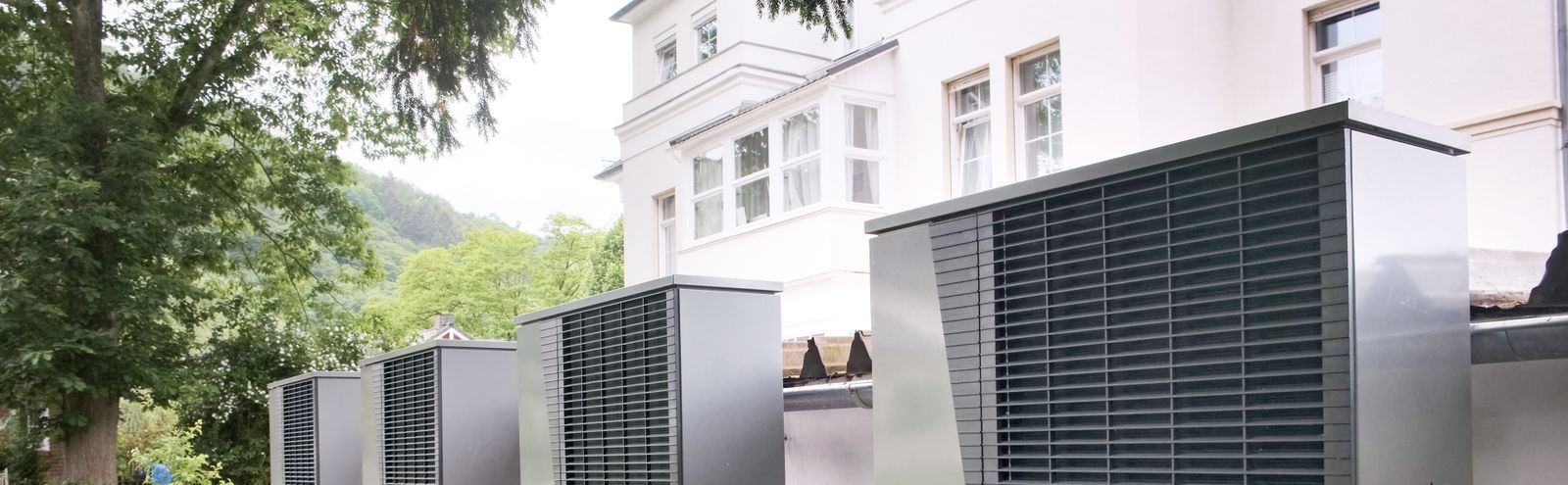
- The outdoor coil and airflow — leaves, fluff, fencing built too close, and the fins straightened rather than ignored.
- Refrigerant circuit behaviour and system pressures, checked against what the unit should be doing rather than what it is getting away with.
- Water-side filters, strainers and magnetic separators cleaned, and the expansion vessel charge checked.
- Flow temperature and the weather compensation curve reviewed against how the house has actually behaved for a year.
- Controls, schedules and legionella cycle confirmed to be doing what the screen claims they are doing.
- Defrost behaviour and condensate drainage checked before the weather that needs them arrives.
Fitted by someone else? That is fine — a heat pump service does not care whose van delivered it.
Book a heat pump service