Guide · gas & LPG boilers
What an annual boiler service actually covers.
“Boiler serviced” covers everything from twenty honest minutes to a cursory look and a sticker. This is the checklist Stuart works to — so you can ask anyone, including him, which of these they actually did. He also carries out full installations of any new natural gas or LPG boiler.
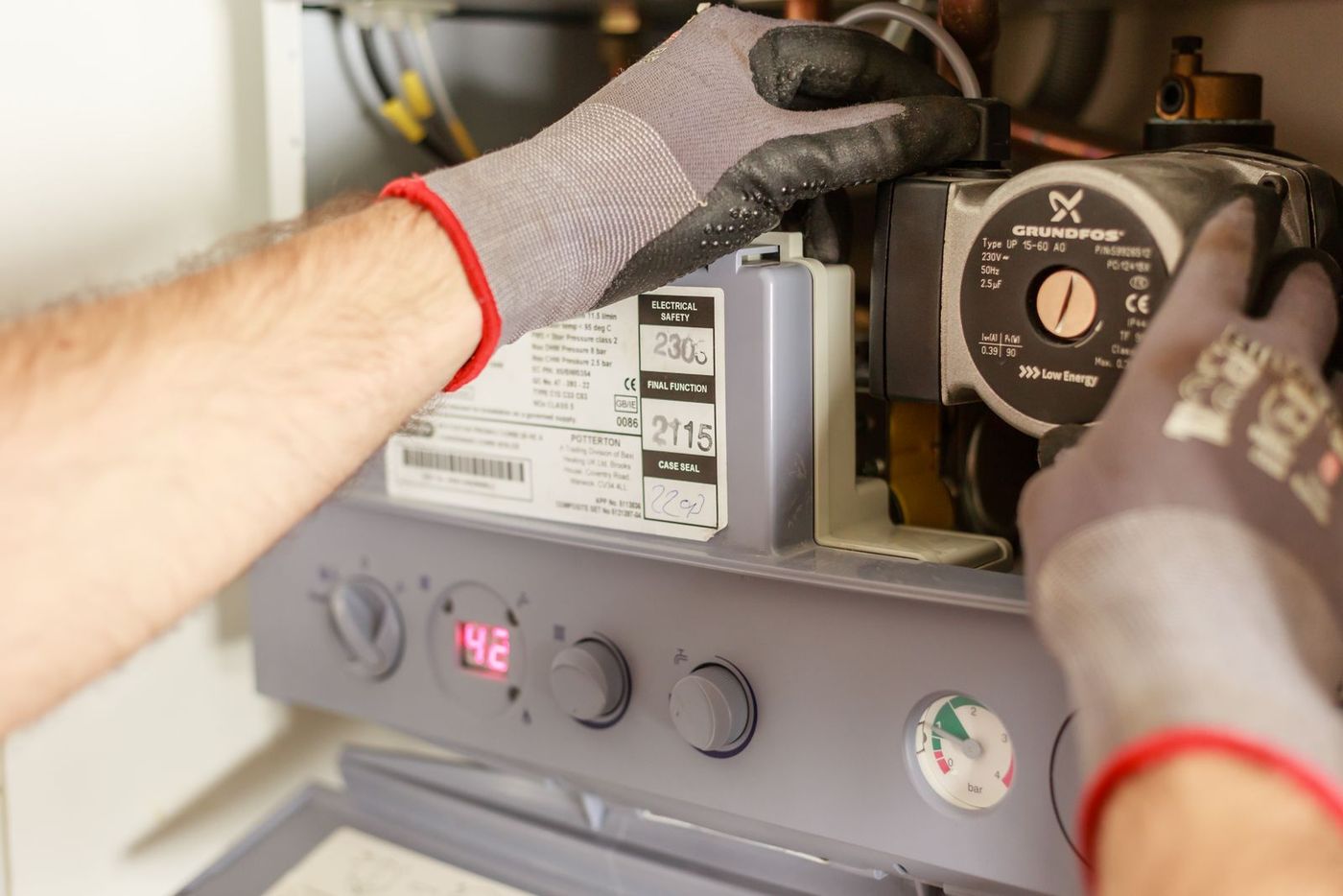
The checklist
Fifteen things, in three groups.
Exactly which checks apply depends on the appliance and the manufacturer’s instructions for it — but if an annual service did not include most of the first two groups, it was not really a service.
Combustion & gas
- Flue gas analysis with a calibrated analyser — the numbers written down, not eyeballed.
- Gas rate checked at the meter against the appliance data badge.
- Working and standing gas pressures at the appliance.
- Gas soundness test on the installation pipework.
- Burner, injectors and heat exchanger inspected and cleaned as the manufacturer specifies.
Safety devices
- Flame supervision and ignition sequence proved.
- Overheat and pressure relief devices checked for operation, not just presence.
- Flue integrity, terminal position and clearances, and the seals at every joint.
- Ventilation to the appliance where the installation needs it.
- Case seals and the condition of the sealed chamber on a room-sealed appliance.
The system around it
- System pressure and expansion vessel charge — the usual culprit behind pressure that vanishes overnight.
- Condensate route and trap, including the outside run that freezes in a Yorkshire January.
- Pump, diverter valve and zone valve operation.
- Inhibitor level and a look at the state of the system water.
- Controls, programmer and thermostat actually doing what they claim.
Gas work is carried out as a Gas Safe registered engineer — Gas Safe registered (No. 570568), as published on Stuart’s own website. That is the registration number Stuart publishes on his own site. Every Gas Safe registered engineer carries an ID card listing the exact appliances they are signed off for — ask to see it before any gas work starts, and check the number yourself on the Gas Safe Register.
Six symptoms worth a phone call before November.
Pressure falling every few days
Topping it up is not fixing it — you are feeding fresh oxygenated water into a system that corrodes from the inside.
Radiators cold at the bottom
Sludge in the bottom of the panels. Getting worse every month, and cheapest to sort before it reaches the heat exchanger.
Lock-out with a fault code
Photograph the code on the display and send it over — plenty of them can be narrowed down before anyone drives out.
Hot water gone lukewarm
Could be a diverter valve, a plate heat exchanger scaling up, or a cylinder coil. Three different jobs, three different prices.
Banging or kettling
Scale or restricted flow across the heat exchanger. The noise is the symptom; the bill arrives later.
A smell of gas
Ring the National Gas Emergency Service on 0800 111 999 first, not a heating engineer.
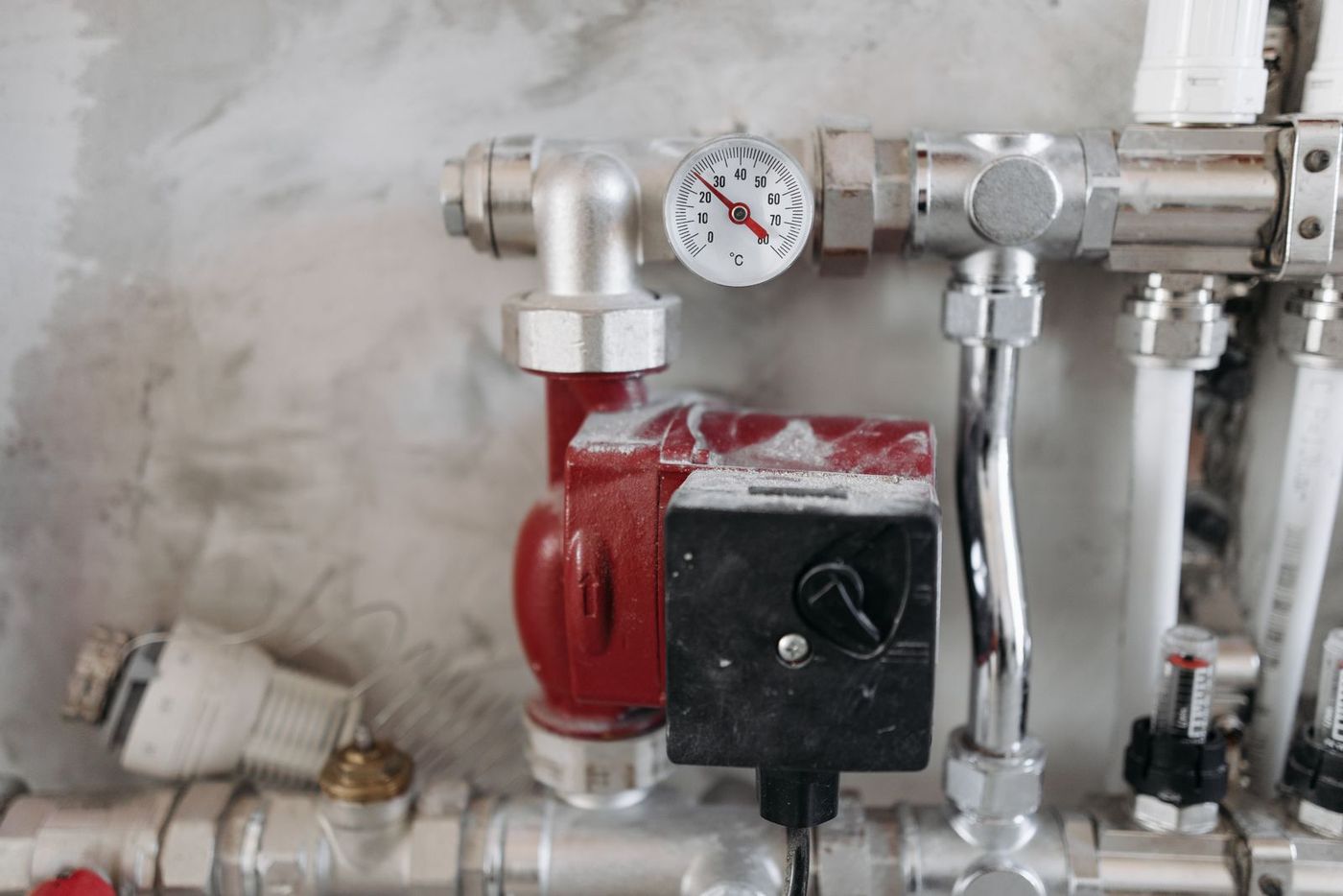
Installation
Any new natural gas or LPG boiler.
Full installations of any new natural gas or LPG boiler — and the LPG half matters around Harrogate, where plenty of properties sit off the mains gas network. Before a price gets quoted, the existing pipework, gas supply, flue route, radiators, cylinder and controls all get looked at, because a new heat exchanger asked to circulate thirty years of sludge does not stay new for long.
Afterwards: commissioned properly, benchmark filled in, controls set up with you, and the same engineer on the end of the phone if anything needs a second look. Quotes on request rather than a headline price that changes when someone turns up.